A face can look round in a smiling photograph and square in a bathroom mirror. That does not mean either view is wrong. Expression, light and the outline created by hair can change the impression. When comparing a round vs square face, the useful question is how the sides turn into the jaw and chin, rather than whether a single measurement matches a chart. Use the comparison to describe a feature you want to work with, then test haircuts or glasses against your actual face.
Find the jaw corners before choosing a label
Start in a mirror with your head upright, eyes facing forward and teeth resting comfortably apart. Let your mouth relax. Pull long hair away from the jaw without tightening it so much that it changes your expression. Look for the place beneath each ear where the side of the face changes direction toward the chin. Those turns are more useful than the apparent size of the cheeks.
In the usual styling vocabulary, a square face has a relatively broad lower outline with more noticeable turns at the jaw corners. A round face tends to have a more continuous curve through the cheeks and lower outline. Neither description requires sharp edges or a perfect geometric shape. A square jawline can have soft tissue over it, and a round outline can include a visible corner on one side.
Use soft, even light from in front of you. A ceiling light can place a dark edge beneath the jaw, making the turn seem more pronounced. Strong side light can hide the opposite side altogether. If the corner seems to appear only when you turn toward a lamp, change the lighting before changing your description. Do not clench your jaw to make the outline easier to see; that gives you a different expression to assess.
Compare the whole outline, not a ratio from a chart
Step back enough to see the forehead, cheek area and jaw at once. Round and square descriptions can both apply to faces that look fairly broad relative to their visible length. Width alone therefore does little to separate them. Follow the outer line downward instead: does it stay relatively broad through the lower face before turning inward, or does it curve inward gradually?
If you use measurements, keep the method consistent. Note where you placed the ends of the tape and avoid comparing a surface measurement around the cheeks with a straight width estimated from a photograph. Those are different quantities. A few millimetres of uncertainty can change a calculated ratio without changing anything useful about your styling decisions.
There is no need to assign a cutoff at which round becomes square. Face shape charts use simplified categories, and their boundaries vary. A description such as “broad face with softly defined jaw corners” may capture what you see better than either word alone. It also gives a hairdresser a clearer starting point than a label that leaves out the feature you care about.
| What you notice | What to compare next | What can confuse the view |
|---|---|---|
| A broad lower face | Whether the outline turns distinctly at the jaw corners | A beard or a shadow beneath the jaw |
| Full cheeks | The lower outline while your expression is relaxed | A smile that changes cheek contours |
| A curved jaw outline | Whether the curve repeats in even light | A tilted head or hair covering one side |
| Different results in photos | A consistent front-facing view at a comfortable distance | A close camera, angled pose or cropped hairline |
Separate cheek fullness from the line below it
Cheek fullness often draws attention first, particularly in a close photograph. It does not settle the round-versus-square question. Look below the fullest part of the cheeks and trace the edge toward the chin. A person can have full cheeks above a relatively angular lower outline. Someone else may have less cheek fullness but a gently curved jaw.
Compare a neutral view with a relaxed smile only after you have looked at the neutral one. Smiling can lift the cheeks, change their visible width and shorten the apparent space between the nose and chin. The purpose of this comparison is to recognise the effect of expression, not to decide which version is your “real” face. Both belong to you; they simply answer different visual questions.
Avoid using weight, age or a single old photograph as an explanation you cannot verify. Soft tissue and appearance can change, but a shape label cannot tell you why a difference occurred. For the immediate task of picking a frame or discussing a haircut, the outline you have now is the useful reference. If a photograph does not resemble what you routinely see, set it aside rather than building an elaborate theory around it.
Check what hair and facial hair add to the outline
A blunt bob ending near the jaw can place a horizontal line beside it. Hair falling forward over the corners may hide the same area. Before deciding that your face is square or round, compare the view with hair tucked back and with your everyday hairstyle. Keep both observations: one describes your face more directly, while the other describes the appearance people usually see.
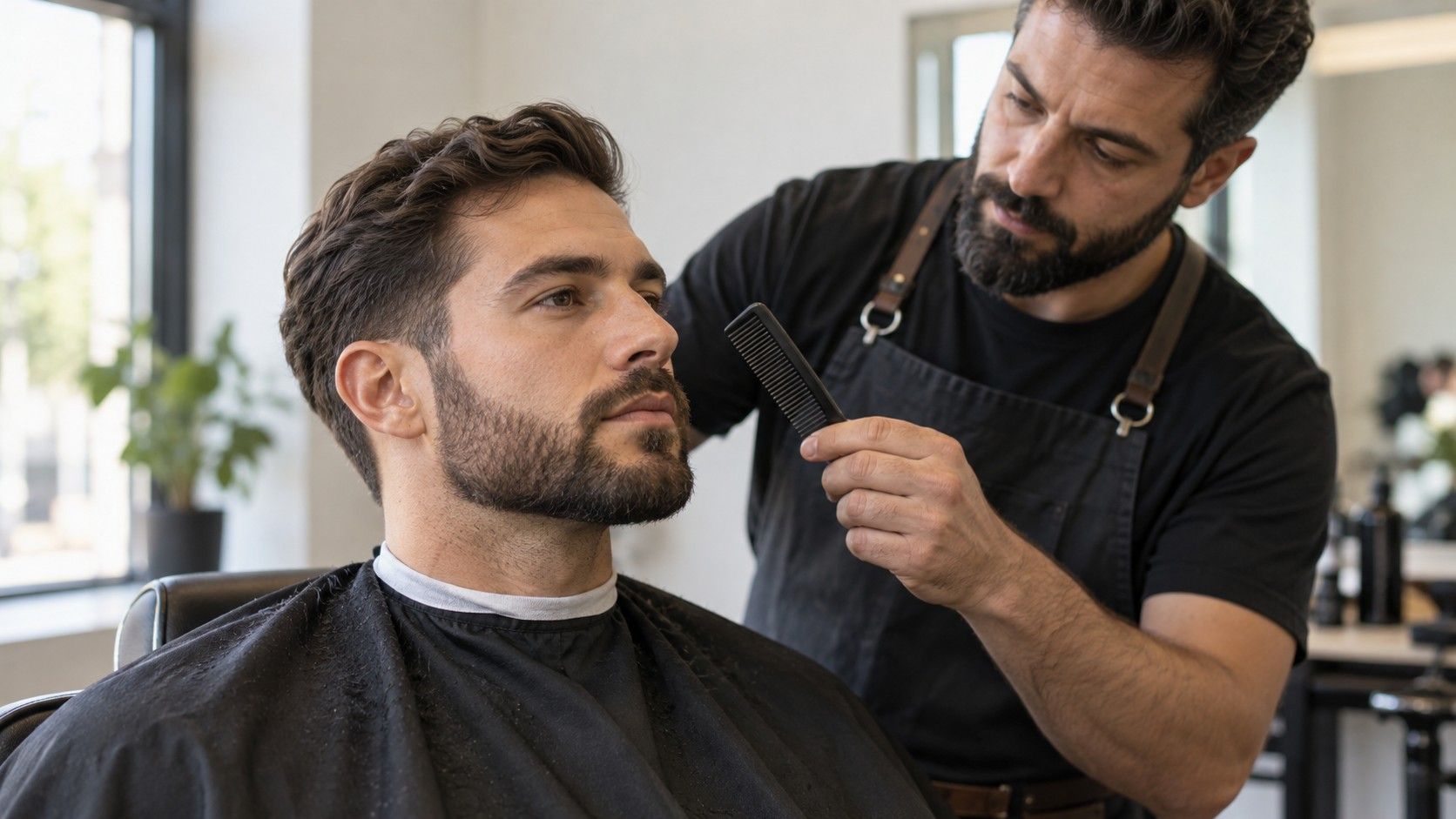
Facial hair can alter the lower outline even more. A beard trimmed with a level base and defined corners may create a squarer silhouette. More length at the chin can make that silhouette appear longer. You do not need to shave to explore the difference. Look at an existing clean-shaven photograph if you have one, or acknowledge that your current comparison includes the beard.
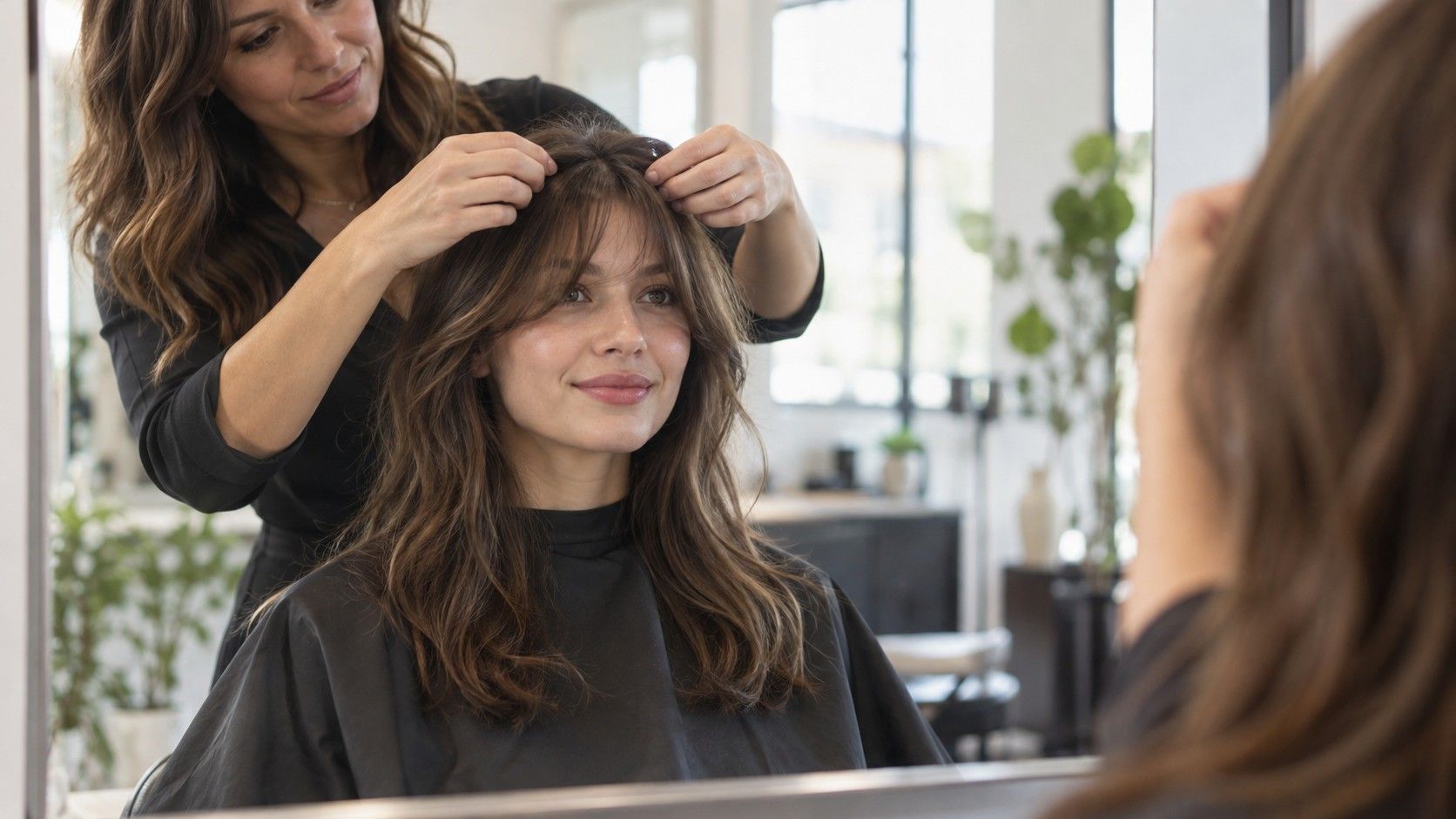
For a haircut consultation, bring a front-facing image with your usual style and one with the sides moved away. Explain what changes between them: perhaps the jaw looks wider when the hair ends beside it, or a fringe makes the face seem shorter. That observation is actionable. It lets the stylist consider length, texture and daily maintenance without treating the shape category as a set of compulsory rules.
Choose a styling experiment around the feature you notice
If you like the visible turns of your jaw, you can leave that area exposed. If you prefer a softer-looking outline, try hair that moves around it rather than stopping in a heavy line at the corner. These are visual experiments, not promises: curl pattern, density and how the cut dries at home matter. Ask how the proposed shape will behave without the salon finish.
Glasses offer a quick way to compare outlines. Try one frame with rounded corners and another with straighter edges, keeping their overall width reasonably similar. Look at the relationship between the frame, cheeks and jaw before deciding whether you like contrast or repetition. The familiar rule that round faces need angular frames skips personal preference and can send you toward a pair that fits poorly.
Fit deserves its own check. The bridge should sit comfortably, the sides should not press, and the lenses should stay where you need them as you move. Smile and look down while trying the frames. If one pair slides or touches your cheeks, a supposedly suitable shape label will not fix that. Use the face comparison to narrow experiments, then let comfort and your response to the actual pair decide.
You can finish with a mixed description. “Mostly curved, with visible jaw corners” is enough if it helps explain why two photographs feel different or why you prefer one haircut. Keep a small set of comparable pictures rather than repeatedly measuring. When a label stops clarifying your choice, return to the particular feature, the styling change and the amount of upkeep you are happy to do.